
Land Investment in Kenya: First-Time Buyer’s Guide (2026)
CHOSEN SOIL LIMITED
July 13, 2026
Introducton
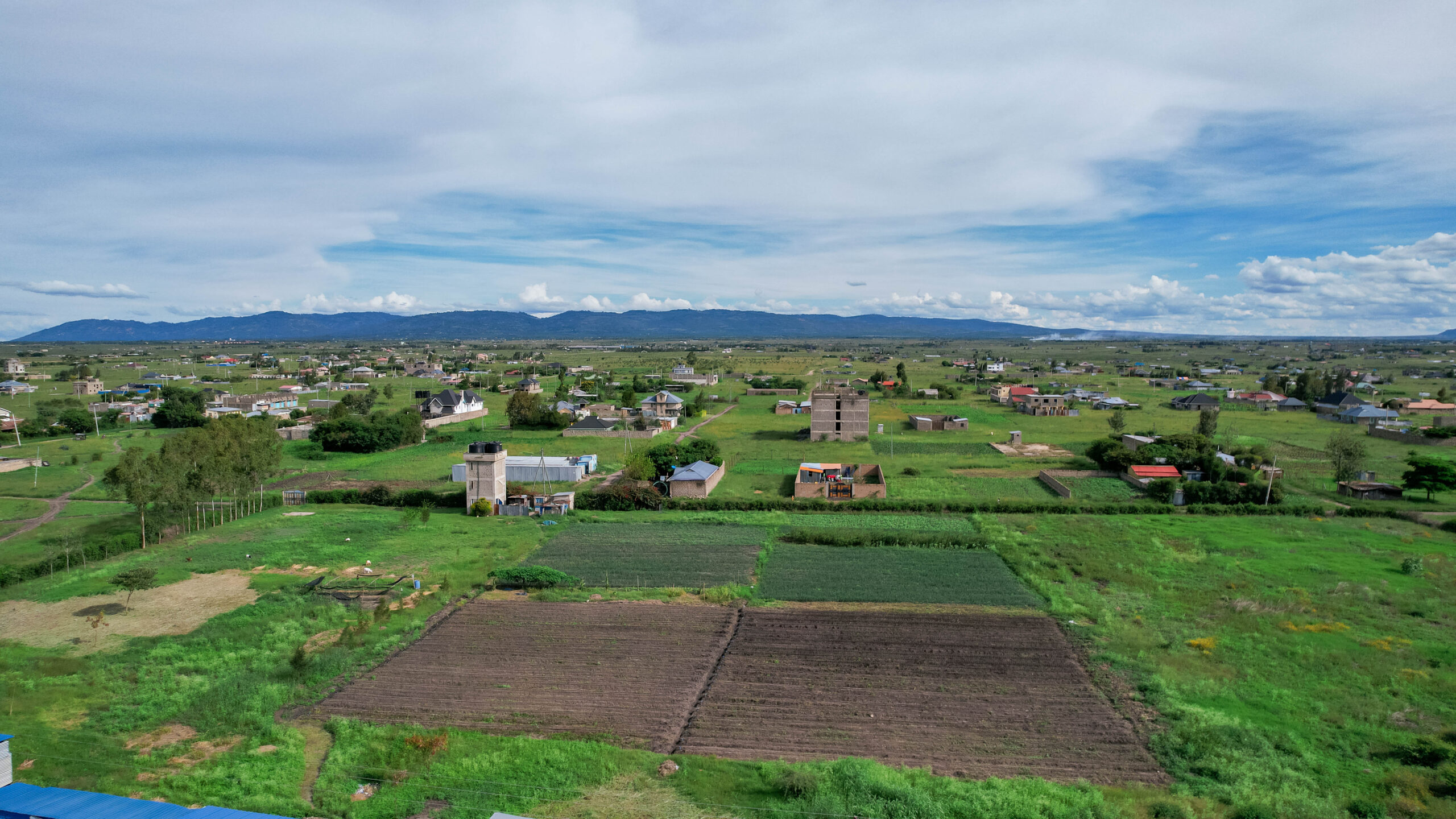
Land investment in Kenya remains one of the most popular ways for Kenyans — at home and in the diaspora — to build long-term wealth. Unlike shares or bonds, land is tangible. You can visit it, fence it, farm it, build on it, or simply hold it for the future.
But buying land in Kenya for the first time can feel intimidating. Stories of fake title deeds, double sales, and disappearing brokers are common, and many first-time buyers do not know where to start. The good news is that with the right knowledge and proper due diligence, buying land in Kenya can be done safely and confidently.
This guide walks you through everything a first-time buyer needs to know about land investment in Kenya: the types of land ownership, the step-by-step buying process, the full costs involved, and the mistakes to avoid.
Why land is a popular investment in Kenya
Land holds a special place in Kenyan culture and finance. Several factors make it a preferred asset:
– Tangibility and security. Land cannot be stolen in the way cash or movable assets can, provided your ownership documents are genuine and properly registered.
– Growing demand. Kenya’s population is young and growing, and urban areas continue to expand. Demand for residential plots, farmland, and commercial land follows this growth.
– Flexibility. You can hold land, farm it, build rental units, subdivide it (subject to approvals), or use it as collateral for financing.
– Low holding costs relative to buildings. Vacant land generally requires less maintenance than developed property, though you should still budget for land rates and, where applicable, land rent.
A note of caution: land values do not always rise, and appreciation varies significantly by location, infrastructure, and market conditions. Treat any promise of “guaranteed returns” with suspicion. No credible seller can guarantee how land will perform.
Understanding land ownership in Kenya: freehold vs leasehold
Before you buy, understand what kind of ownership you are purchasing.
Freehold
Freehold ownership gives you absolute ownership of the land for an unlimited period. Most agricultural land in rural Kenya is freehold. It is generally the most complete form of ownership available to Kenyan citizens.
Leasehold
Leasehold ownership gives you rights to the land for a fixed period — commonly 33, 50, or 99 years — after which the lease may be renewed subject to conditions. Much of the land in urban areas such as Nairobi and Mombasa is leasehold. Leasehold owners typically pay land rent to the national government and land rates to the county government.
Note that under the Constitution of Kenya, non-citizens can only hold land on a leasehold basis for a maximum of 99 years.
Always confirm which type of tenure applies to the land you are considering, because it affects your rights, your recurring costs, and the property’s long-term value.
The step-by-step land-buying process in Kenya
Here is the typical land-buying process in Kenya, simplified for a first-time buyer. (Blog 4 in this series covers the legal process in full detail.)
Step 1: Identify the land and inspect it physically
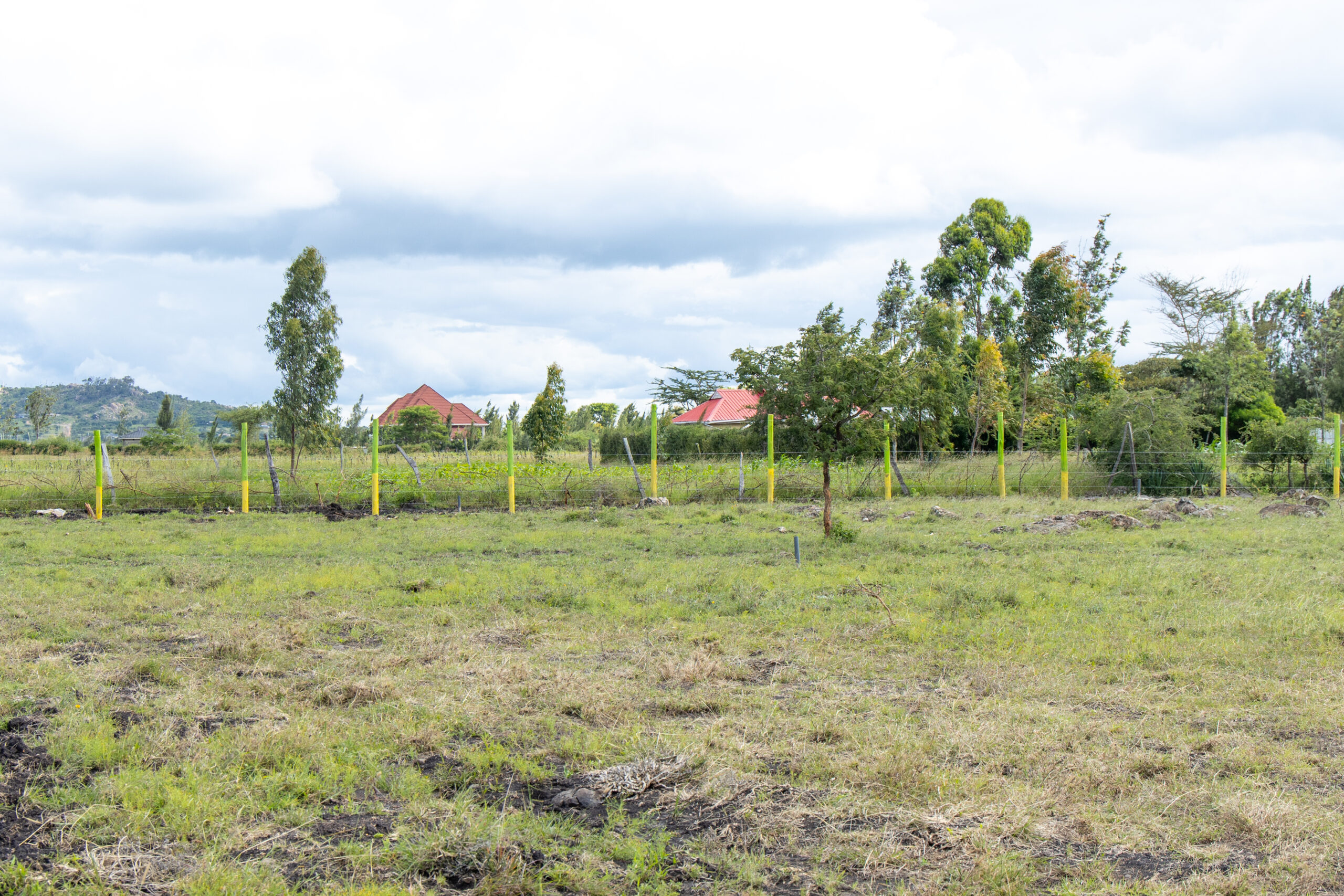
Never buy land you have not seen — or that a trusted representative has not seen on your behalf. Visit the site, confirm access roads, check the terrain and drainage, and speak to neighbours where possible. Confirm that the physical boundaries match what the seller describes.
Step 2: Conduct an official land search
A title deed search confirms who legally owns the land and whether it carries any encumbrances such as loans (charges), court orders (cautions), or disputes. Searches for land registered on the national digital platform can be done through Ardhisasa, while other parcels may require a search at the relevant land registry. This step is non-negotiable. Blog 5 in this series explains title verification in detail.
Step 3: Engage professionals
At minimum, involve:
– A licensed advocate to review documents, draft or review the sale agreement, and handle the transfer.
– A licensed surveyor to verify beacons and confirm that the parcel on the ground matches the registered map (often called a Registry Index Map or deed plan).
Professional fees are a small price compared to the cost of a bad purchase.
Step 4: Negotiate and sign a sale agreement
The sale agreement sets out the price, payment terms, completion timelines, and obligations of each party. It should be drafted or reviewed by your advocate before you sign or pay anything beyond a refundable commitment where applicable.
Step 5: Obtain consents and clearances
Depending on the land, you may need:
– Land Control Board consent for agricultural land transactions
– Land rates clearance from the county government
– Land rent clearance for leasehold land
Your advocate will guide you on which consents apply to your specific transaction.
Step 6: Pay stamp duty and register the transfer
Stamp duty is paid to the Kenya Revenue Authority based on the land’s value as assessed by a government valuer. Rates differ between urban and rural land — confirm the current applicable rate at the time of your transaction, as figures can change. After payment, the transfer is registered and a new title is issued in your name.
Step 7: Take possession and secure the land
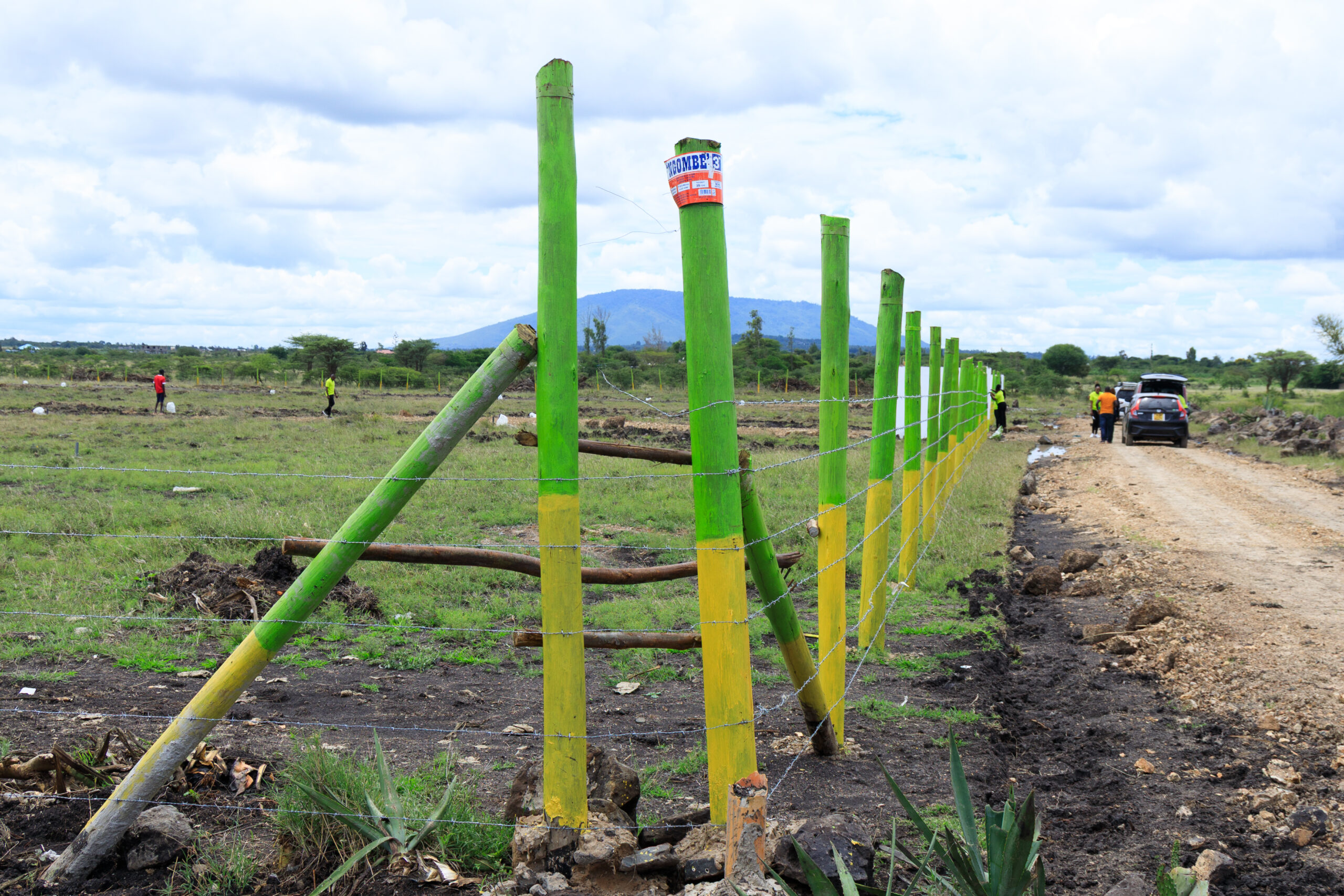
Once registered, visit the land, confirm the beacons with your surveyor, and consider fencing or otherwise marking the property. Keep your original documents safe and conduct periodic searches to confirm the register still reflects your ownership.
Common mistakes first-time land buyers make in Kenya
1. Paying before verifying. Never pay a deposit before completing a land search and confirming the seller’s identity against the title.
2. Relying on brokers alone. Brokers can be useful, but they are not a substitute for your own advocate and surveyor.
3. Skipping the site visit. Photos and maps can be misleading or relate to a completely different parcel.
4. Ignoring zoning and planning restrictions. Land near rivers, road reserves, or in agricultural zones may have restrictions on what you can build.
5. Buying land with unresolved succession issues. If the registered owner is deceased, the estate must go through succession before a valid sale can occur.
6. Assuming all “title deeds” are genuine. Fraudsters produce convincing forgeries. Only an official search confirms the register’s position.
First-time buyer checklist
Before you pay for any land in Kenya, confirm that you have:
– Visited the land physically or through a trusted representative
– Conducted an official land search (Ardhisasa or the land registry)
– Verified the seller’s identity against the registered owner
– Engaged a licensed advocate
– Verified beacons with a licensed surveyor
– Reviewed and signed a proper sale agreement
– Confirmed all necessary consents and clearances
– Budgeted for stamp duty, legal fees, and other costs
– Planned how you will register and secure the land after purchase
Conclusion: start your land investment journey with confidence
Land investment in Kenya rewards patient, well-informed buyers. The difference between a rewarding purchase and a costly mistake almost always comes down to due diligence: verifying the title, engaging licensed professionals, understanding the full costs, and following the legal process to completion.
At Chosen Soil Ltd, we believe every buyer deserves transparency and honest guidance from the first site visit to the issuance of a title deed. If you are ready to explore land investment in Kenya — or simply have questions before you begin — get in touch with the Chosen Soil Ltd team. We are here to help you make an informed decision.
Book Now
Book a Site Visit
Schedule a site visit with Chosen Soil Limited to explore our projects firsthand and get expert guidance before making a confident investment decision.
About
Chosen Soil Limited is a reputable real estate company in Kenya, based in Kiambu and founded by Amos Wambu. For over 5 years, we have been building trust with hundreds of clients by delivering title deeds on time and creating affordable investment opportunities across Kenya.
Company
Quick Links
- Support
- Privacy Policy
- FAQ
- Featurd Projects